The originals of automated vapor smoothing · core patent filed Jan 2017 · Our story
Automated surface finishing
for 3D printed parts.
PostPro vapor smoothing seals and smooths powder-bed and FDM 3D printed parts, inside and out, in one automated cycle of up to 2 hours.
No cost to evaluate · Parts returned · Typical turnaround 2–3 weeks
-
- 900+ PostPro systems installed in 40 countries · all product lines
- 50M+ parts finished, all product lines


Inside PostPro.
The engineering behind every automated cycle, shown on the PostPro SF100.







It goes in as a print. It comes out as a product.
One automated vapor cycle seals the surface, reaches into recesses and fine features, then dries the part, ready for use.
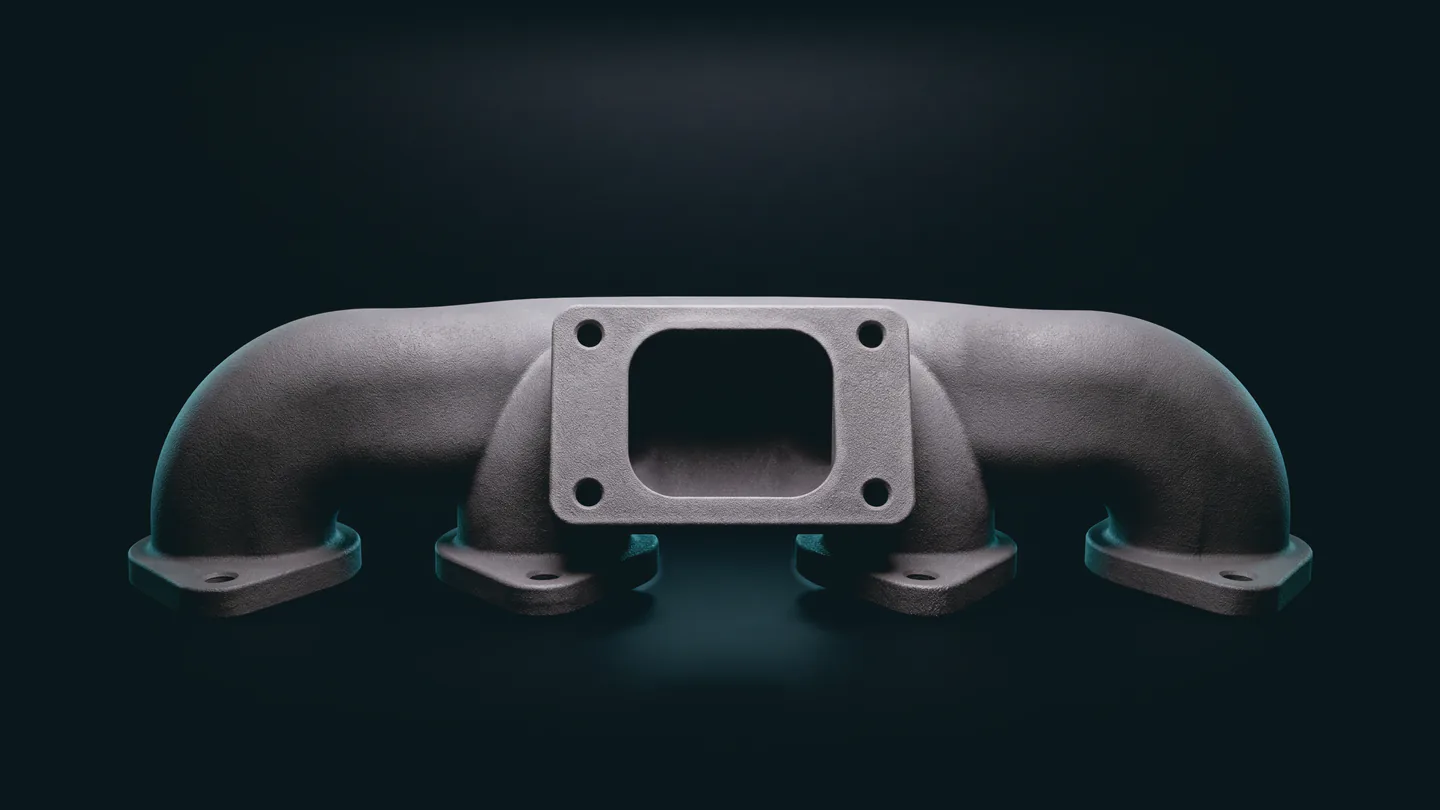
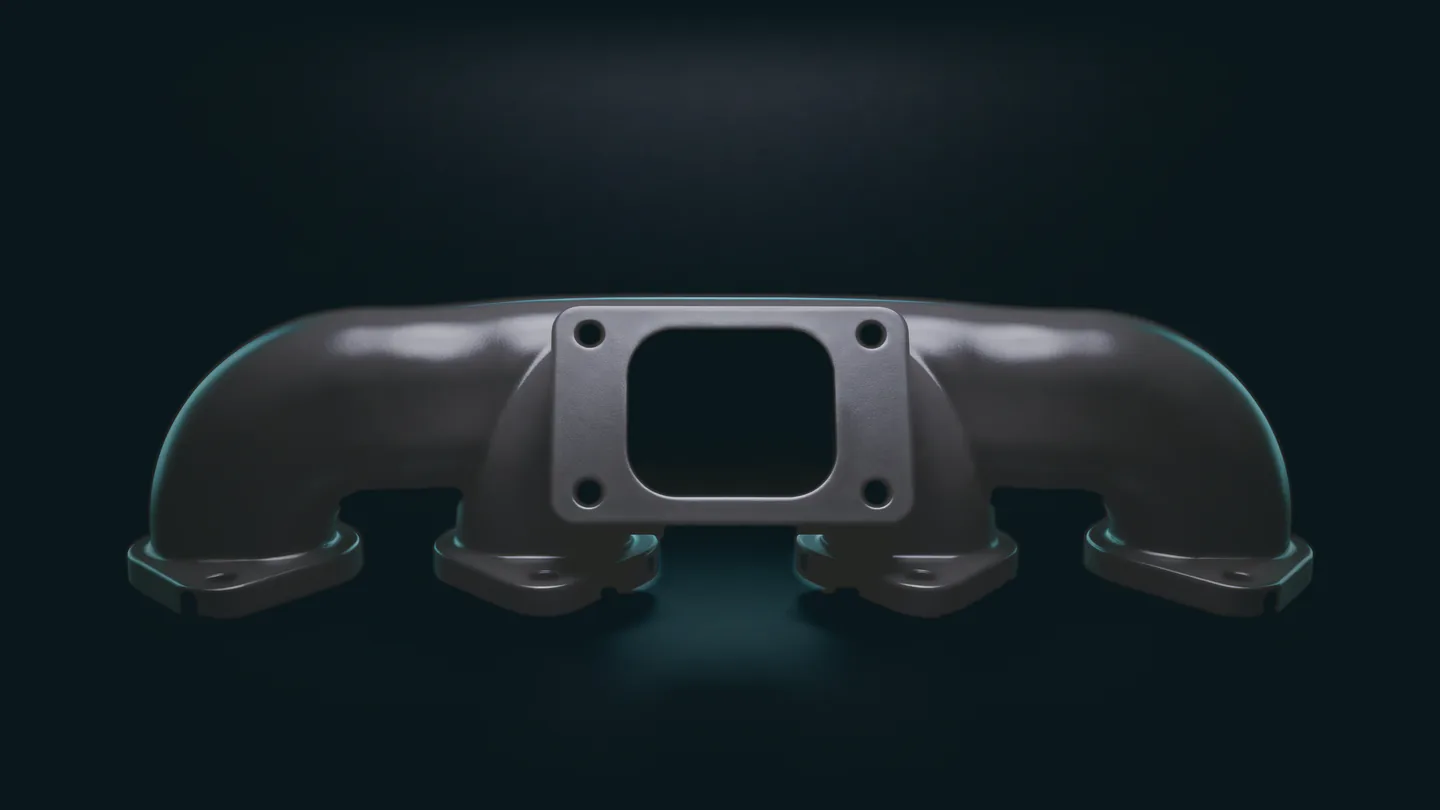


Best published results.
From AMT’s published tests. Your material? Test your parts, free
Results depend on the material and finishing agent used. Three AMT finishing agents: FA5802 (Pure), FA326 (High performance) and FA9202 (Polypropylene). Which agent for which material
One process. Four sizes.
All four run the same automated vapor smoothing cycle on powder-bed (MJF, SLS, SAF, HSS) and FDM parts. Choose the chamber that fits your builds.


Starting prices, excluding tax and shipping. Bundles, options, installation, training, care packs and consumables are priced in your quotation.

Load. Smooth. Unload. Repeat.
DMS, AMT’s Digital Manufacturing System, loads and unloads PostPro SF100 systems automatically. It recognizes each tray, selects the recipe for the batch and keeps production running unattended.
Parts that ship.
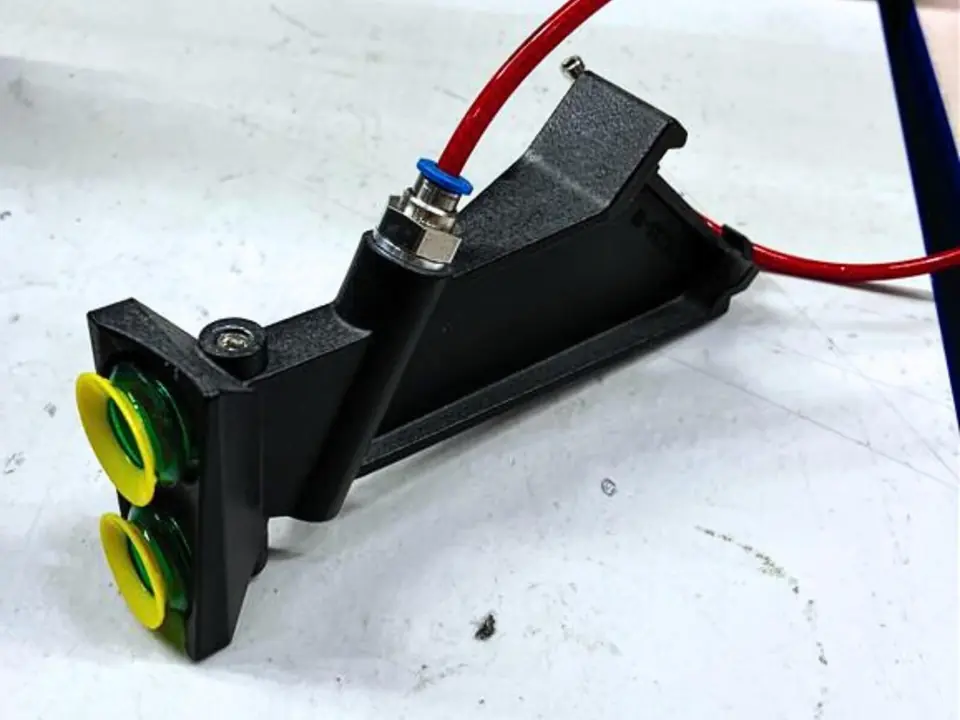
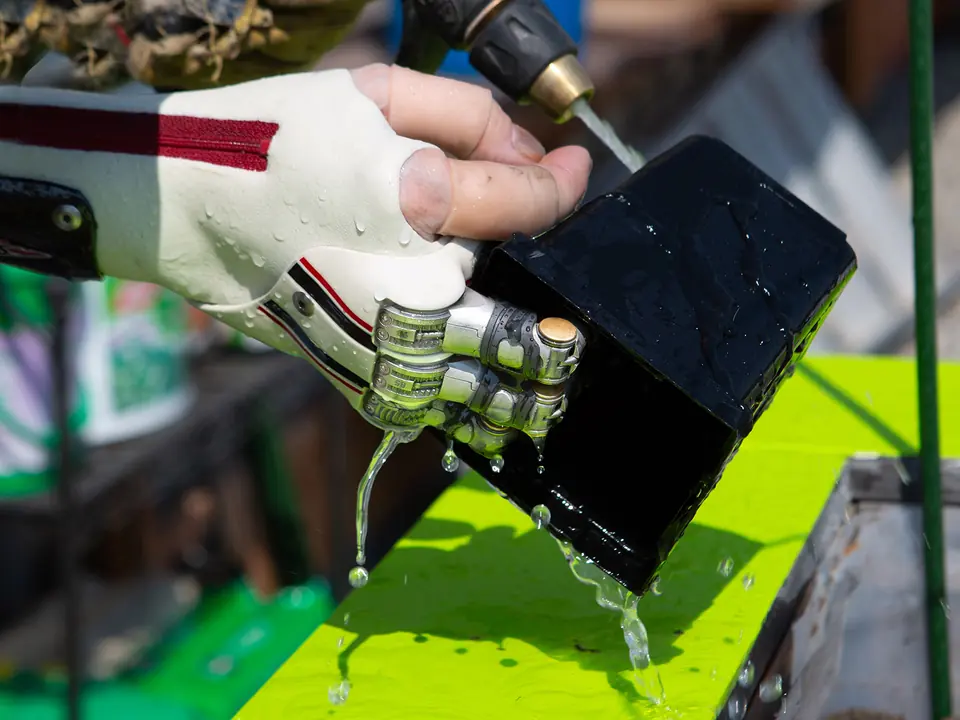
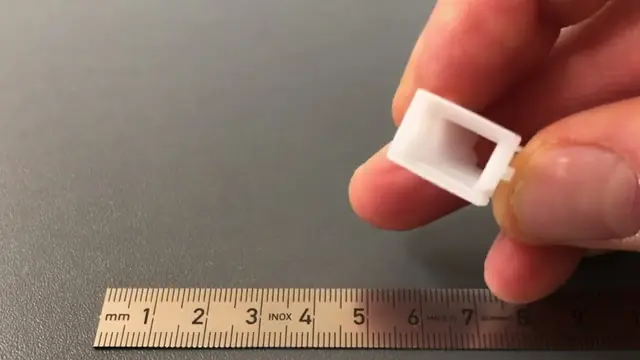
From production machinery to hand prostheses to rally cars, PostPro vapor-smoothed parts are in service, not on a shelf.
-
-
-



The PostPro Experience | 1zu1 Testimonial
Watch on YouTube (opens in a new tab)Vapor smoothing is well received at our customers because of surface quality and benefits like enhanced strength, easier cleaning and no effect on detail resolution or dimensional accuracy, and the process runs several times a day contributing to our success.
Questions, answered.
What is vapor smoothing?
Vapor smoothing finishes 3D printed polymer parts with a controlled solvent vapor. PostPro systems seal and smooth powder-bed and FDM 3D printed parts inside and out in one automated cycle with four stages: Conditioning · Processing · Curing · Drying.
Which 3D printing technologies and materials can be vapor smoothed?
Powder-bed (MJF, SLS, SAF, HSS) and FDM parts. Materials include polyamides (PA12, PA11), TPU and other elastomers, polypropylene and many FDM filaments. The compatible material list for each system names the approved grades (on the documents page), and the consumables page shows which finishing agent suits which material.
How much does a PostPro system cost?
Each PostPro system has a starting price, shown on the range above and on the pricing page. Bundles, options, care, consumables, installation and training are priced in your quotation. See starting prices · Request a quotation
Can I test my parts before I buy?
Yes. Send parts to the PostPro benchmark and AMT vapor smooths them for you: No cost to evaluate · Parts returned · Typical turnaround 2–3 weeks.
Send us a part. We’ll send it back vapor smoothed.
Submit your parts online and ship them with a prepaid label. We vapor smooth them and send them back with before-and-after photos and a full benchmark report.
No cost to evaluate · Parts returned · Typical turnaround 2–3 weeks
Starting pricesBuild your quoteCalculate ROITalk to an engineer
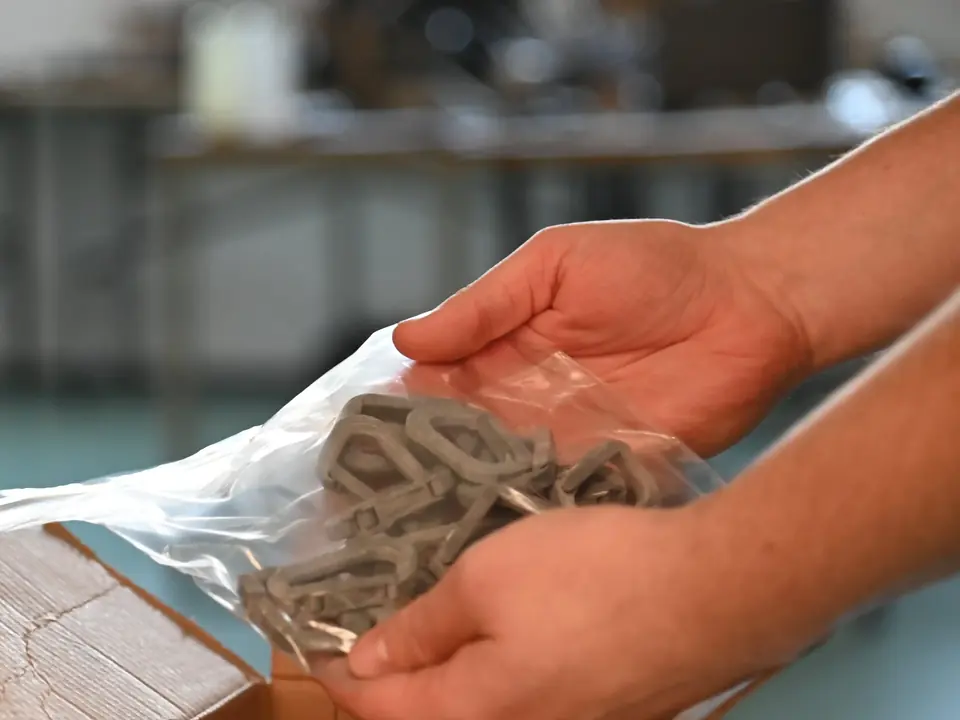
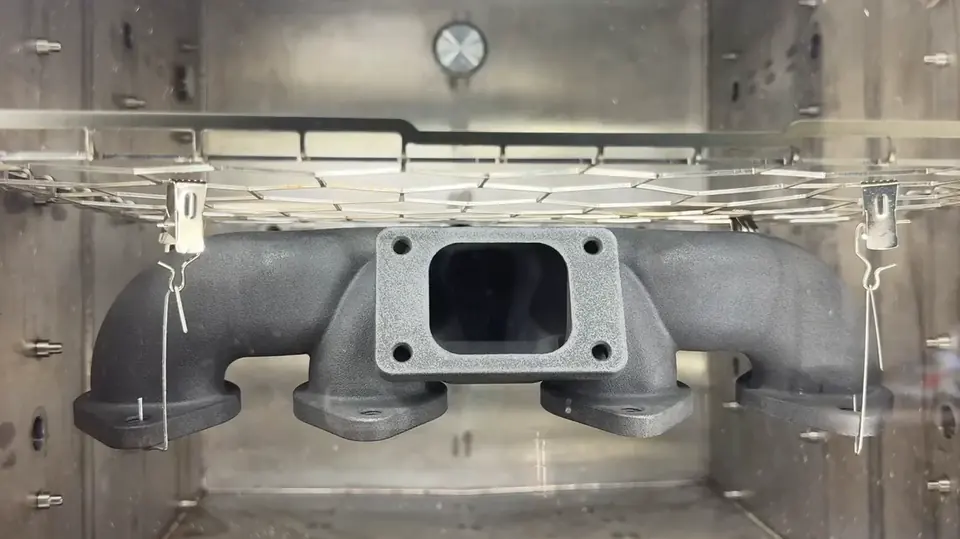
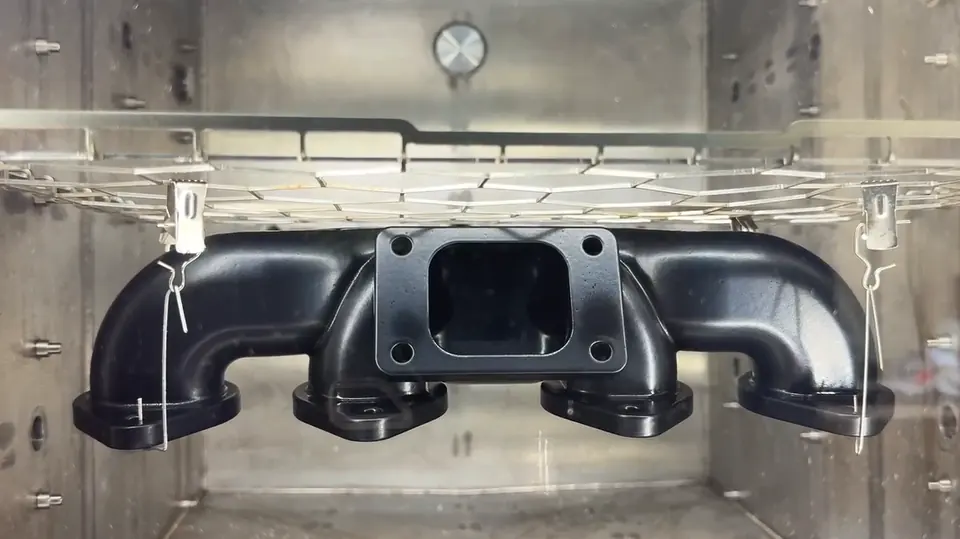
Your parts arrive, as printed
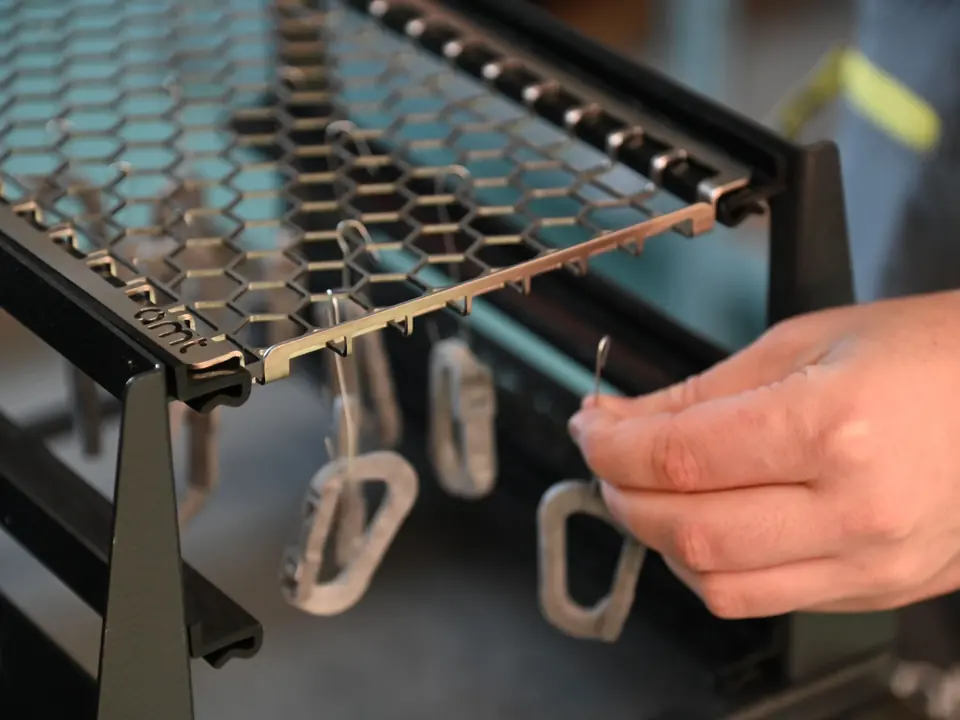
Hung on the rack
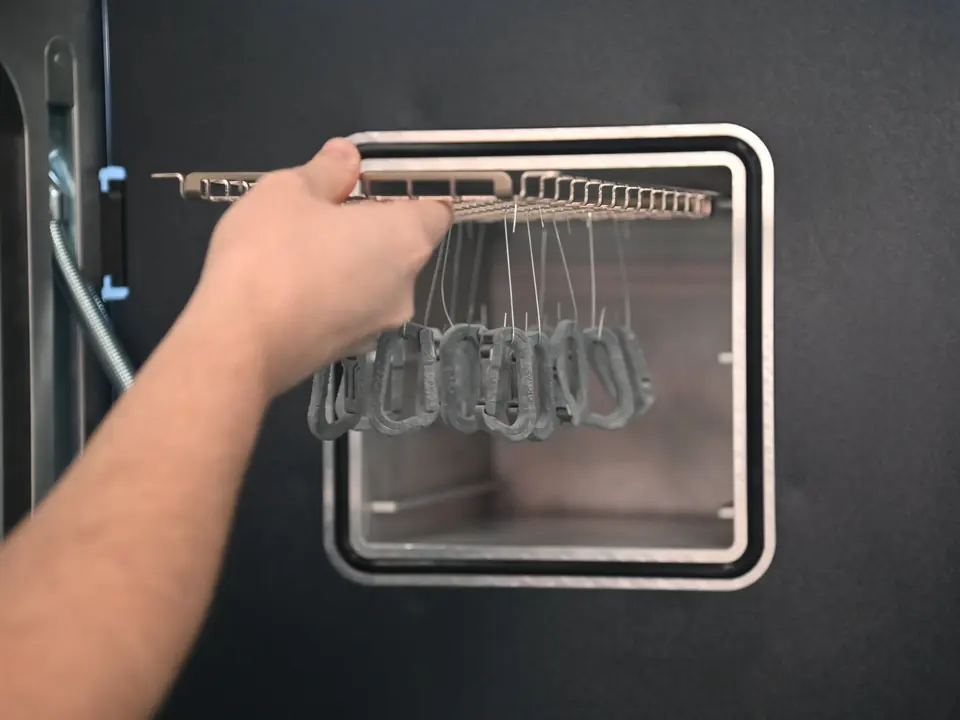
Into the chamber
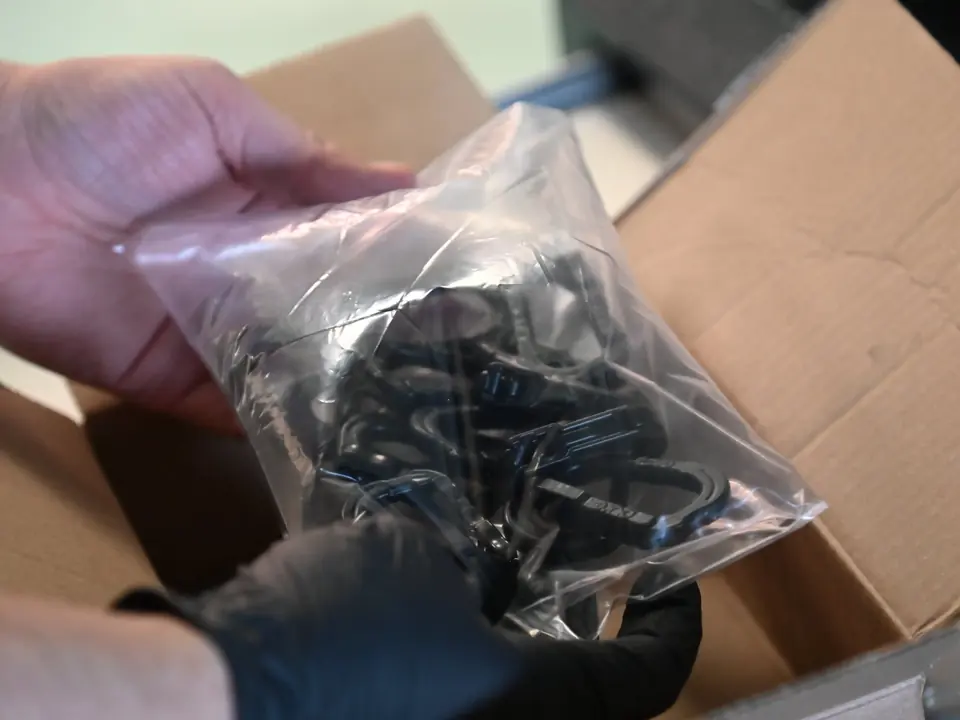
Back to you, vapor smoothed


